+

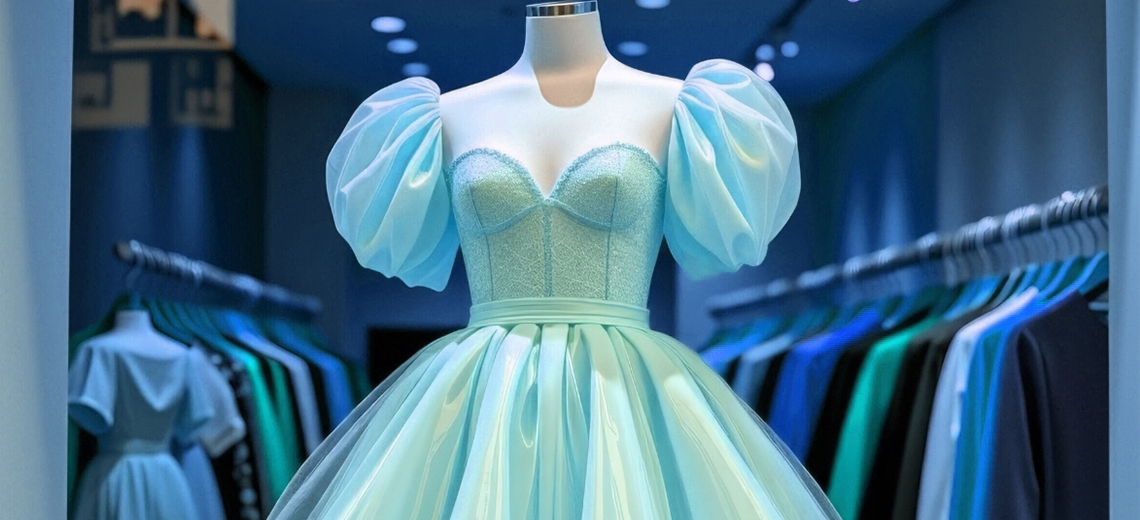
We have all felt that sudden spark of recognition. You are walking down a busy street or standing in a crowded room when your eyes land on a woman in a simple midi dress. There are no loud logos, no heavy embellishments, and no neon colors.
Yet, she radiates an air of quiet sophistication that feels entirely out of reach. It isn’t about the price tag dangling from the sleeve; it is about a specific harmony of light, texture, and shape. This “expensive” look is actually an emotional language, a way of telling the world that you value yourself enough to choose quality over clutter.
In 2026, the secret to looking polished isn’t found in a vault. It is found in the details that many people overlook in their haste to follow the next viral trend. The thing is, when you understand the architecture of a well-made garment, you stop buying “disposable” fashion and start building a collection that feels like a sanctuary.
It is a shift from being a customer to being a curator. Let’s pull back the curtain on the subtle elements that elevate a dress from a single piece of fabric to a masterclass of personal expression.
The first thing the eye notices, even before the color, is how the fabric moves. A dress tends to look expensive when the material has enough “substance” to hold its own against the wind and the movements of your body.
Think of a heavy silk that ripples like liquid or a dense linen that keeps its structural integrity through a long afternoon. When a fabric is too thin or poorly woven, it clings in places it shouldn’t and ripples with static. This creates a “restless” look that feels quite unfinished.
In 2026, we are seeing a return to “heritage weaves.” These are fabrics which are inspired by traditional methods but created with modern, sustainable fibers. When you touch a dress, feel for its density. An expensive-looking garment doesn’t feel flimsy; it feels like a protective layer.
This physical weight translates into a visual grounding that makes the wearer look composed and calm. It is the difference between a dress that just sits on you and a dress that frames you.
If the fabric is the soul of the dress, the construction is its skeleton. One of the biggest mistakes people tend to make is ignoring the interior. An expensive-looking dress is defined by its “Clean” lines. This means the seems are straight, the hems are weighted, and the patterns, if there are any, they tend to align ideally at the shoulders and the hips.
When a seam puckers or a thread hangs loose, it breaks the visual flow, signalling to the brain that the piece was rushed.
In 2026, many high-end minimalist designers use tonal stitching that is nearly invisible. This allows the silhouette to take the center stage. Also, look for the “French seams: or bound edges on the inside.
While you might be the only one who sees them, they change how the dress hangs on your frame. A well-constructed interior prevents the fabric from brunching and ensures that the dress retains its shape after a year of wear.
It is actually the hidden discipline that creates a seamless aura of elegance.
Nothing ruins the illusion of a sophisticated dress faster than “distracted” hardware. We are talking about shiny, lightweight plastic zippers, buttons that feel like they might snap, or flimsy metal clasps that tarnish after one rainy day.
A dress actually looks expensive when the hardware is intentional and heavy. In 2026, the trend is moving toward “invisible” closures or buttons made from natural materials like horn, wood, or recycled glass.
When a designer hides the zipper under a fabric placket, they are prioritizing the silhouette over the ease of manufacturing. This small detail tells an emotional story of patience. It says that this garment wasn’t made of a conveyor belt in ten minutes; it was thought out.
If you find a dress you love but the buttons feel “cheap,” replacing them with high-quality vintage buttons is a secret trick that elevates the entire look for a fraction of the cost of a new outfit.
An expensive look if rarely about “tightness.” In fact, clothes that are too tight often look the opposite. Elegance lives in the space between the body and the fabric. A dress that looks high-end when it has “structured ease.”
This might mean a shoulder that is slightly padded to provide a sharp line, or a waist that is nipped in just enough to suggest a shape without squeezing it.
The goal is to create a silhouette that looks architectural. Think of the column dress or the structured shift. These shapes don’t go out of style because they are based on the golden ratios of design. When a dress respects your proportions, it creates a sense of balance that the human eye naturally finds beautiful.
It isn’t about hiding your body; it is about presenting it with dignity. A dress that flows where it should and stands firm where it must, is a dress that looks like it was made specially for you.
While color is personal, there is no denying that certain tones carry a wealthy frequency. In the world of minimalist fashion, these are often “non-colors.” These tones tend to look expensive because they allow the texture of the fabric to speak. Additionally, when a color is too “saturated” or artificial, it can sometimes look flat.
In 2026, “monochrome” is still the reigning king of the expensive aesthetic. Wearing a single tone from head to toe creates a long, unbroken vertical line that suggests height and grace. It removes the “noise” of trying to match different pieces and focuses the attention on your face and your posture. There is deep psychological peace in a neutral palette; it suggests that you don’t need to shout to be heard.
You could be wearing a piece from a legendary designer house, but if it’s covered in wrinkles and lines, it will look like a “bargain-bin find.” The overlooked tip for an expensive look is “maintenance.” A crisp collar, a smooth hem, and a lint-free surface are the hallmarks of someone who respects their belongings.
This is where “Climate-Adaptive” and “Non-Crease” fabrics of 2026 become your trusted companions. That’s because, these materials are engineered to stay smooth throughout the day. However, even with a great fabric, a quick steam makes all the difference. The emotional impact of a crisp dress is one of readiness.
It tells the world you are prepared, you are attentive to details, and you are in control of your environment.
Ultimately, what makes a dress look expensive is the individual inside it. You could have the ultimate wool and the highly ideal seams, but if you don’t feel home in the piece, the look will fall apart. The “expensive” aesthetic is really just a synonym of “intentional.”
It is the result of choosing a dress because it honors your values, fits your body, and matches your spirit.
When you stop buying “stuff” and start selecting “pieces” your entire energy changes. You move with more confidence. You speak with more clarity. You become less distracted by a strap that keeps falling or a hem that is too short.
You are free to be yourself. That freedom is priceless.